
A FHIR-side Chat: How HealthEdge® and Unite Us Are Powering Whole-Person Care Through Seamless Integration
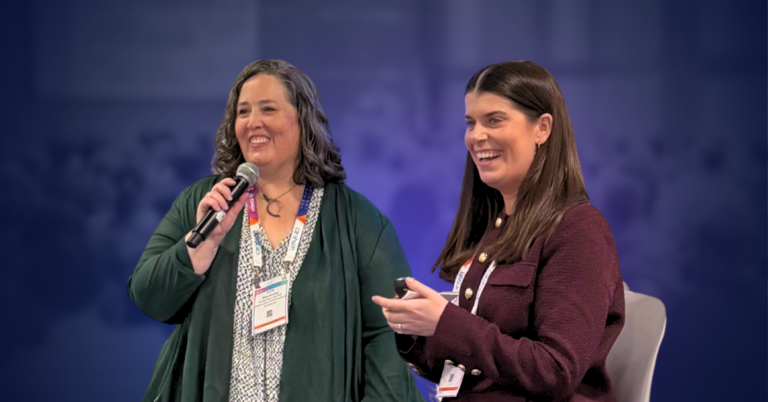
In a recent FHIR-side Chat, Jennie Giuliany, RN, Senior Director of Clinical Sales Solutions at HealthEdge®, joined Rachel Eager, Technical Program Manager, Integration Partnerships at Unite Us, to discuss how interoperability, strategic partnerships, and embedded workflows are helping payers and providers deliver more connected, whole-person care.
The Impact of Whole-Person Care
Whole-person care is an approach to health care that looks beyond immediate medical needs to address the full spectrum of factors that impact a person’s life, including environmental, behavioral, and economic needs. This approach recognizes that access to essential resources such as stable housing, food, transportation, and other non-medical factors is critical to achieving positive health outcomes. By coordinating workflows across healthcare and community-based services, whole-person care helps treat individuals holistically.
Unite Us and HealthEdge®: A Partnership Driving Change for Whole-Person Care
HealthEdge® is a leading provider of care management solutions for payer and provider organizations. Both Unite Us and HealthEdge share a common vision: empowering whole-person care through collaboration, interoperability, and strong community partnerships.
Whole-person care requires visibility beyond clinical data alone. By integrating referrals to community-based services directly into healthcare workflows, organizations can move from fragmented care to coordinated action.
Jennie shared how HealthEdge’s Guiding Care® solution for care management supports this vision by equipping payers and providers with the tools to manage complex populations effectively—and how their integration with Unite Us strengthens that capability.
“This integration [with Unite Us] is crucial in connecting members to the right resources quickly and effectively.” — Jennie Giuliany, RN, Senior Director of Clinical Sales Solutions at HealthEdge®
The partnership is a representation of how shared priorities, such as improving the user experience for care managers and effectively connecting members to community resources, can create innovative solutions that keep individuals at the center of care.
The Importance of Data in Addressing Drivers of Health
Jennie highlighted the importance of data for organizations responsible for addressing drivers of health:
“Not only are we seeing the impact we deliver to our members, but through data, we’re now able to demonstrate measurable outcomes and quantifiable impact. So, I think the world is taking notice.” — Jennie Giuliany, RN, Senior Director of Clinical Sales Solutions at HealthEdge®
This recognition, Jennie explained, is a driving factor behind much of the innovation being seen in partnerships like Unite Us and HealthEdge®. By leveraging data and technology, care teams can bridge gaps in access to community resources for patients and members in need.
FHIR Interoperability Standards: A Game Changer in Healthcare Data
Interoperability was another critical focus of the discussion. Jennie emphasized the role of FHIR (Fast Healthcare Interoperability Resources) in standardizing how systems communicate:
“Interoperability standards like FHIR are really going to change the game when it comes to making health care data useful. Instead of data sitting in silos, FHIR gives us a standard language so that different systems can actually talk to each other. And because FHIR supports real-time data exchange, it’s not just about sharing the information, it’s about acting on it quickly. When you can do that, you can improve coordination, close those gaps in care, and ultimately drive better outcomes for members.” — Jennie Giuliany, RN, Senior Director of Clinical Sales Solutions at HealthEdge®
Embedding Care Coordination into Existing Workflows
Technology only drives impact when it fits seamlessly into daily workflows.
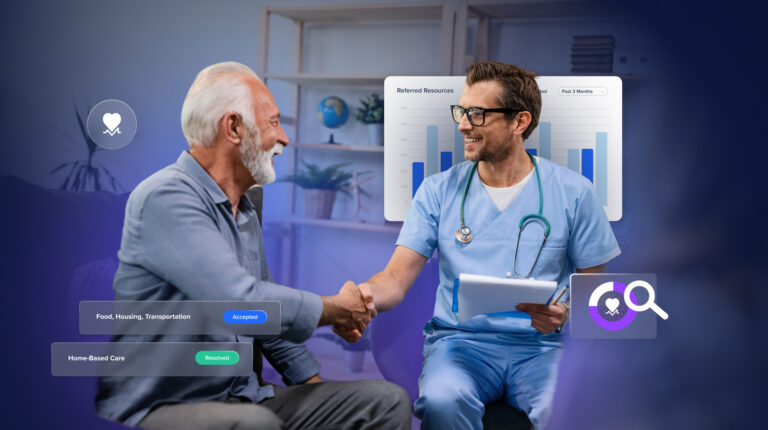
One of the most powerful aspects of the Unite Us + HealthEdge® integration is that care coordination workflows are embedded directly within the Guiding Care solution:
“Unite Us is fully embedded within our platform. Care managers don’t have to jump between multiple systems. As soon as a need is identified, the system will guide the end user to Unite Us to find and connect the member with the right services. And because it’s all tied to the care plan, the entire care team can see what’s happening and coordinate seamlessly, reducing that barrier with different systems trying to connect to each other.” — Jennie Giuliany, RN, Senior Director of Clinical Sales Solutions at HealthEdge®
When referrals to community resources are integrated into the care plan, not treated as a separate process, coordination becomes proactive instead of reactive.
The Power of Partnership in Driving System-Level Change
Throughout the session, both Rachel and Jennie emphasized the power of collaboration in creating person-centered care and achieving meaningful results.
“Every time we help a member access resources that improve their health, we’re doing more than solving a problem. It’s a ripple effect. It results in better outcomes for members, financial stability for health plans, and greater job satisfaction for care managers. When we connect people to what they need, everyone wins. And that’s the kind of impact that transforms health care.” — Jennie Giuliany, RN, Senior Director of Clinical Sales Solutions at HealthEdge®
Rachel echoed the importance of aligned partnerships that move beyond integration toward shared impact:
“It’s exciting to see partners like HealthEdge leading the charge in helping payers and providers deliver more connected, community-centered care.” — Rachel Eager, Technical Program Manager, Integration Partnerships at Unite Us
By combining interoperable technology with a shared commitment to improving health outcomes, partnerships like this help build a more accountable and coordinated healthcare system.
Key Takeaways for Healthcare Leaders
There were several key takeaways from the discussion, including:
- Whole-person care requires integrated workflows.
Embedding workflows that address non-medical drivers of health directly into clinical systems ensures that needs are identified, addressed, and measured in real time.
- Interoperability is essential to scale impact.
Standards like FHIR enable scalable, secure, and actionable data exchange across healthcare and community ecosystems.
- Tracking outcomes across the care journey is critical.
Measuring service-specific outcomes, such as whether a food box was received, helps organizations demonstrate value while improving whole-person care for members and patients.
- Strategic partnerships accelerate transformation.
Technology alone isn’t enough. It takes aligned partners working toward shared goals to drive system-level change.
Healthcare is at a turning point. As payers and providers advance value-based care models, integrating non-medical and clinical data is no longer a differentiator: it’s foundational.
Partnerships like this demonstrate what’s possible when interoperability, embedded workflows, and shared purpose come together to power whole-person care.
Visit https://uniteus.com/ and https://healthedge.com/ to learn more and explore opportunities for collaboration in your own organization.