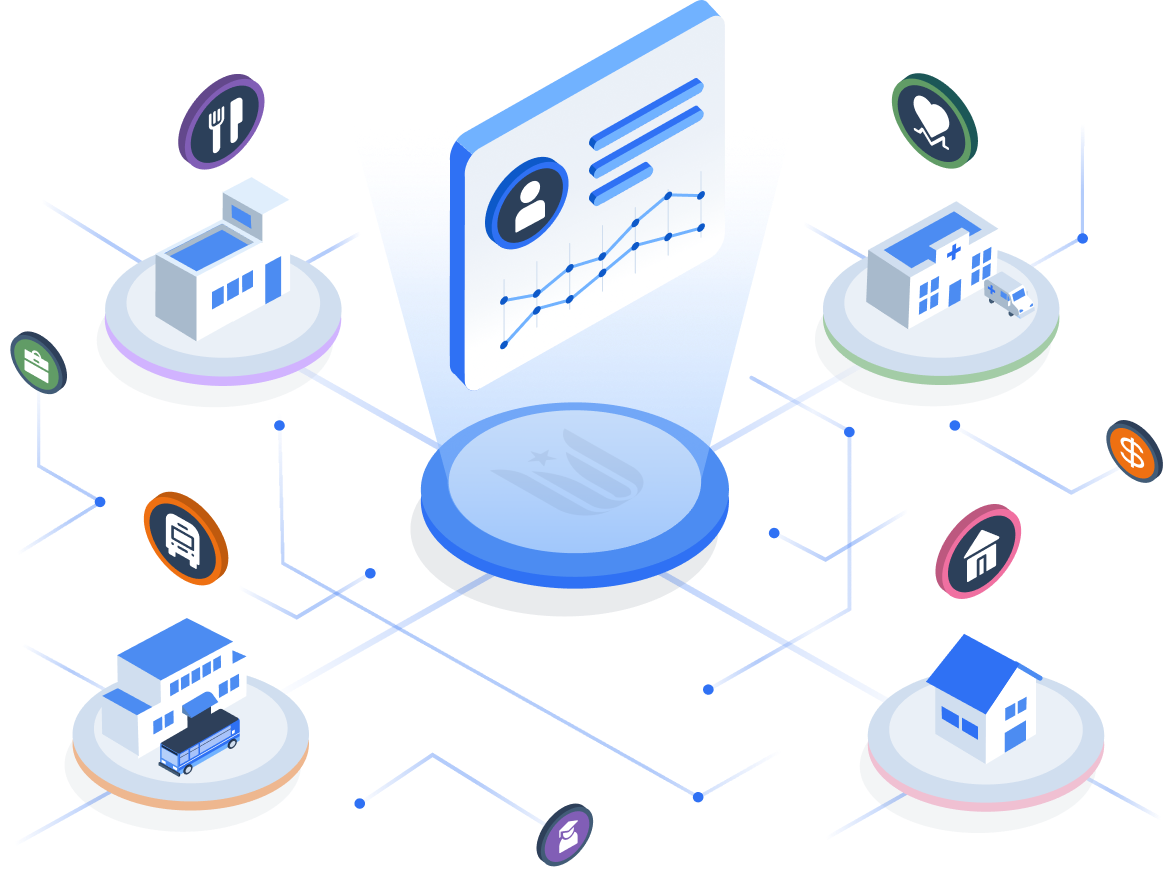


Connect to Anything: Interoperability That Powers Connected Care

-
Expand access to resources and allow clients to self-serve
-
Leverage automated and integrated workflows to maximize efficiency and reduce duplication
-
Make insights actionable by seamlessly integrating non-medical data into organizational workflows
-
Ease staff workload with seamless integrated screenings and automated follow-up support
Connected Care Starts
with Seamless Interoperability
Our integrations offer real-time, interoperable data exchange across systems so you can easily share resources, send referrals, and communicate with partners without ever logging into another system.
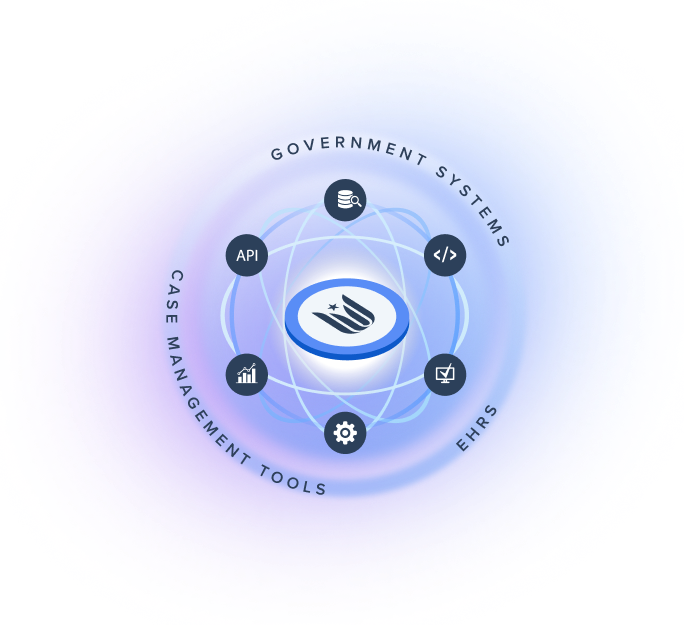
Case Management
and EHR Integrations
Access Unite Us workflows directly within your EHR or case management system, including screening patients for social needs, sending and tracking referrals, and bringing data-driven insights to your team at the point of care.











Don't see your system? Unite Us supports flexible integration pathways. Contact us to discuss options.

Driving Interoperability
Unite Us and the Gravity Project
Unite Us aligns with national data standards such as those set by the Gravity Project, a collaborative public-private initiative leading the national effort to develop FHIR-based data standards to represent social needs.



Government Integrations
that Support
Coordinated Services
Unite Us helps state and local agencies connect workflows across programs and partners. Seamlessly integrate referral, screening, and outcomes data with existing technology systems to improve coordination, reduce administrative burden, and support reporting needs across initiatives.
Connect Cross-Agency Workflows
Share information between EHRs, care management platforms, and community systems in real time.
Support Data Visibility and Reporting
Enable shared visibility into key metrics to measure program performance and impact.
Improve Constituent Experience
Reduce handoffs and duplicative intake by connecting systems and partners.
Scale Securely
Integrate various systems with Unite Us as federal requirements or program scopes evolve.

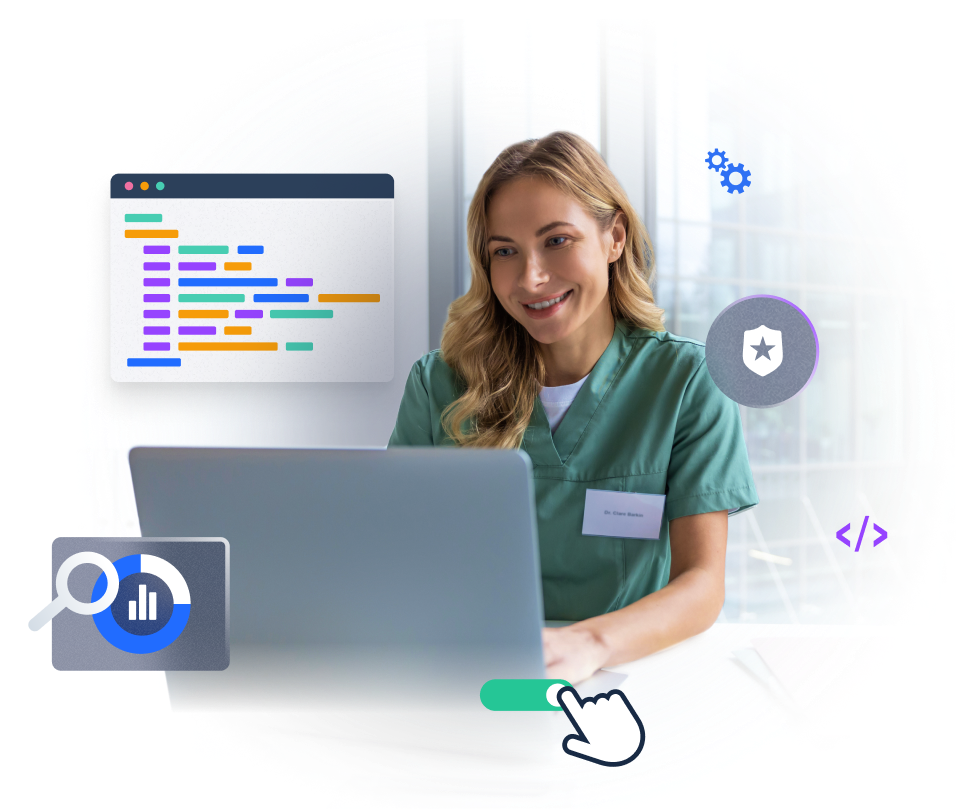
Flexible APIs Built for
Interoperability
APIs, or application programming interfaces, help systems exchange information securely and efficiently. Unite Us' APIs—along with SMART on FHIR and other HL7 protocols—give organizations the flexibility to connect data seamlessly, access Unite Us workflows within existing systems, and design solutions that align with national data standards.
Seamless Connectivity
Easily and securely share information between EHRs, care management platforms, community systems, and government workflows.
Flexibility & Customization
Tailor integrations to match your operational workflows by embedding Unite Us where your teams already work.
Standards Alignment
Support interoperability requirements with standards aligned to national efforts, including those set by the Gravity Project.
See How Interoperability Drives
Connected Care at Unite Us

FHIR Starter: Ignite Interoperability and Improve Patient Outcomes with FHIR Integration
Fast Healthcare Interoperability Resources (FHIR) is equipping providers with a common language to identify...

Transforming Health Outcomes: The Power of Integrating Social Care Technology with Electronic Health Records
In this report, we explore the critical role of integrating social care technology with electronic health records (EHRs)...

Driving the Drivers: Leveraging Technology to Address Non-Medical Needs and Improve Patient Outcomes
How can hospitals and health systems reduce gaps in the care journey for themselves, their clinicians...

FHIR-Side Chats:
Advancing Community Care through Integration with Unite Us
Explore the latest in our “FHIR-side Chat” series, where we sit down with innovators across the healthcare ecosystem to discuss the role of interoperability, EHR integration, SMART on FHIR, and community collaboration in powering more connected, person-centered care.

Frequently Asked Questions
-
Unite Us supports interoperability using standards-based approaches, including SMART on FHIR and flexible APIs, to integrate with EHRs, care management tools, and other systems used across healthcare, community organizations, and government agencies. By aligning with national standards such as those developed through the Gravity Project, Unite Us helps teams securely exchange structured data and meet evolving requirements.
-
For a list of our current integrations, see here.
-
To learn more about which Unite Us integration option would best fit your organization’s needs, get in touch with our team here.
-
Learn more about becoming an integration partner with Unite Us here.
-
Learn more about becoming a channel partner with Unite Us here.