
Inside One Continuum Georgia 2026: Collaboration, Innovation, and Impact
From workforce transition support for Veterans to youth mental health innovation, cross-sector collaboration was the heart of One Continuum Georgia 2026.
How do communities create more sustainable pathways to care, opportunity, and long-term well-being? That question sat at the center of this year’s One Continuum Georgia, where healthcare leaders, educators, state agencies, community-based organizations, and technology partners came together to explore how stronger collaboration can improve outcomes across Georgia.
Throughout the event, speakers emphasized that meaningful impact requires more than siloed programs or disconnected services. Whether discussing Veteran workforce transition, outcomes-driven care models, or behavioral health support for children and families, panelists highlighted the importance of coordinated systems that address people’s needs holistically and support a ‘no wrong door’ approach to care.
Across three featured sessions, attendees heard real-world examples of how organizations are building stronger referral networks, improving access to care and opportunity, leveraging data more effectively, and creating more connected experiences for the communities they serve. Here’s a look at the conversations and key insights that shaped the event:
Strengthening Workforce Pathways for Veterans and Students
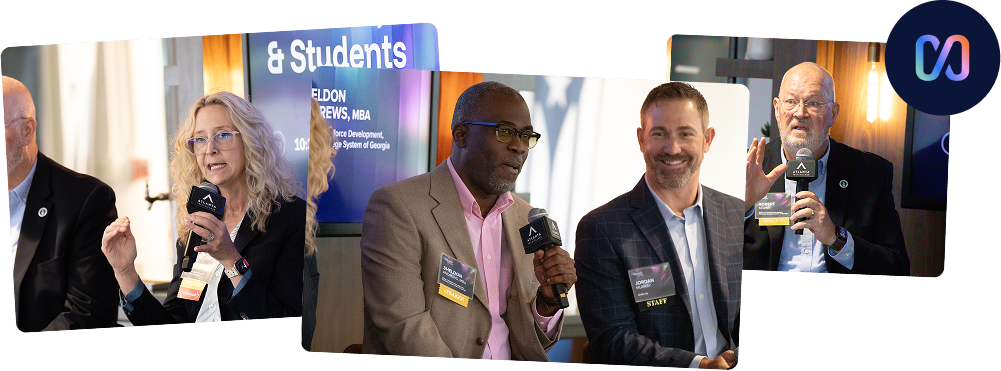
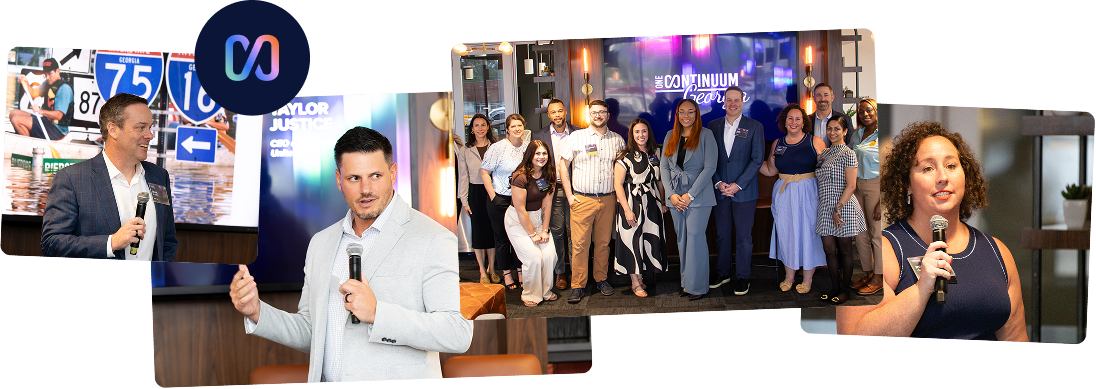
For the flagship fireside chat, we were joined by three Veterans and industry experts— Dr. Patricia Ross, EdD, Commissioner of the Georgia Department of Veterans Service and retired USAF Colonel, joined Robert Keown from the Office of Technical Education at Technical College System of Georgia (TCSG) and Sheldon Andrews, MBA, of TCSG’s Office of Workforce Development—to discuss how Georgia leaders are working collaboratively to break down barriers to education and employment for Veterans and students transitioning out of service.
Together, the panelists explored how stronger partnerships between Veteran services, education systems, and workforce development organizations can help create more accessible pathways to better immediate outcomes and more long-term economic stability for communities overall.
The discussion highlighted the importance of coordinated care networks and support systems that not only connect Veterans to education and career opportunities, but also provide the tools and resources needed to sustain growth and self-sufficiency over time. Speakers shared how technical education programs, workforce readiness initiatives, and targeted Veteran support strategies are helping strengthen Georgia’s workforce pipeline while ensuring individuals have access to opportunity.
“If we’re able to recognize this as an interception point and also recognize those co-occurring needs, it answers the opportunity we have for a better outcome for that Veteran.”
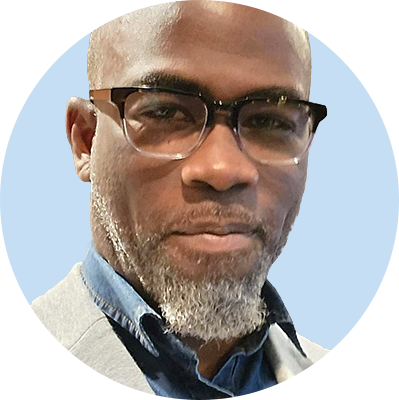 – Sheldon Andrews, Office of Workforce Development, Technical College System of Georgia
“Utilizing Unite Us’ platform, we can assist them not only in the goals they’re setting educationally or on the training side, but holistically in that whole-person concept. The better they’re able to provide, the better they are for themselves, their families, and for our communities as well.”
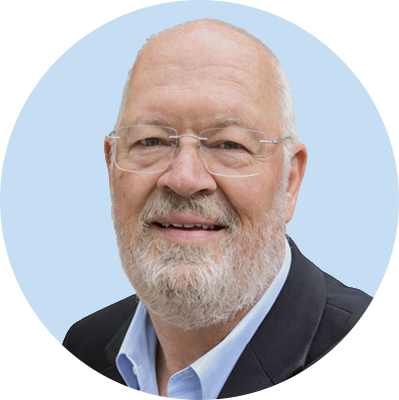 – Robert Keown, Office of Technical Education, Technical College System of Georgia (TCSG)
 “All of us are plugged into a force multiplying network, allowing us to get a Veteran or their family member exactly where they need to go. This connection makes us stronger together.”
– Colonel Patricia Ross, EdD, Commissioner,
Georgia Department of Veterans Service
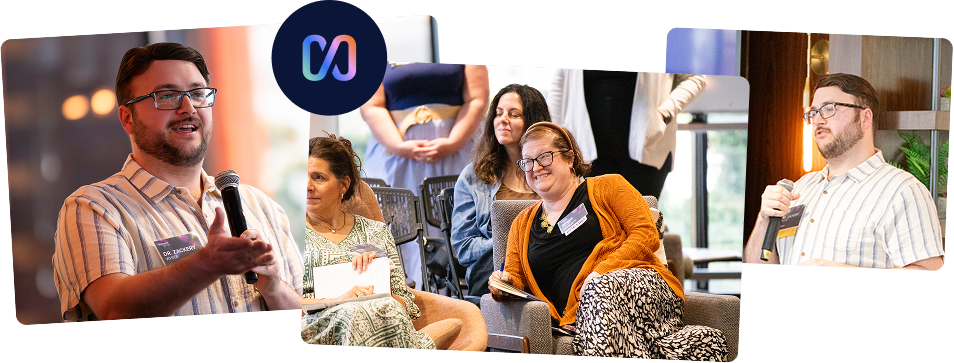
Redefining ROI Through Outcomes-Driven Impact
In “Reimagining ROI: Moving From Outputs to Outcomes,” Dr. Zackery White, Principal Research Analyst at Unite Us, challenged attendees to rethink how organizations define and measure success. Rather than focusing solely on outputs (or activities), such as referrals completed or services delivered, as the benchmark of success, the session emphasized the importance of evaluating meaningful clinical, social, and economic outcomes that demonstrate lasting impact within communities.
Drawing on real-world examples and evaluation strategies, Dr. White explored how outcomes data can help organizations better understand the effectiveness of their programs, guide smarter investments, and support scalable solutions.
“The challenge isn’t collecting outputs. It’s translating those outputs into measurable community outcomes.”
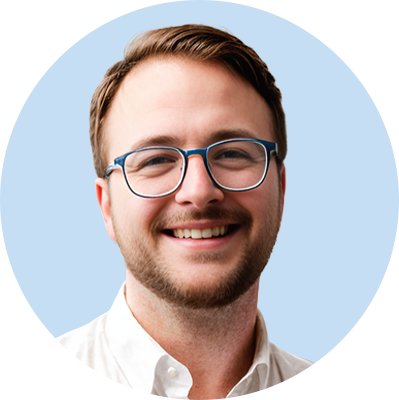 – Dr. Zackery White,
Principal Research Analyst, Unite Us
The conversation reinforced that outcomes-driven approaches not only improve accountability, but also provide communities and stakeholders with a clearer picture of how coordinated care and social support contribute to healthier populations and more sustainable systems of care.
“Success isn’t just about outputs. It’s about people’s lives are actually improving.”
Principal Research Analyst, Unite Us
Advancing Cross-Agency Collaboration for Youth Mental Health
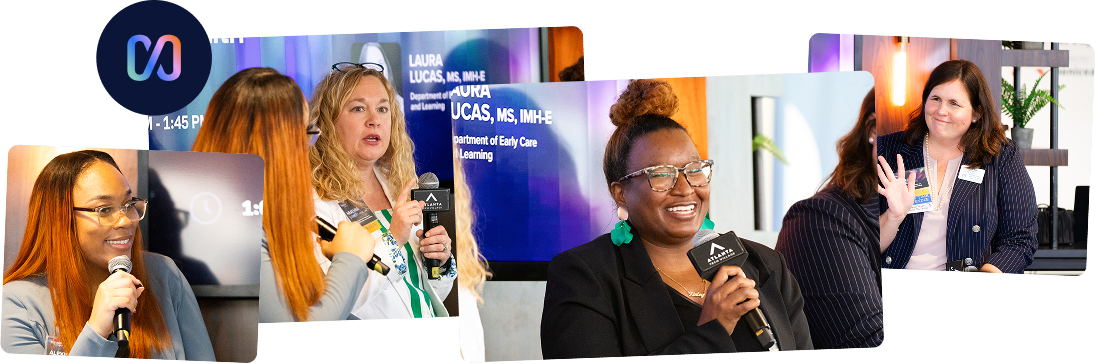
Timed alongside Mental Health Awareness Month, “The Next Generation: Simplifying the Complexities of Youth Mental Health” brought together Heather Stanley, ATR-BC, LPAT, of the Department of Behavioral Health and Developmental Disabilities (DBHDD), La’Keidra Mitchell, MPH, of Mindworks COE, and Laura Lucas, MS, IMH-E, of the Department of Early Care and Learning (DECAL) to discuss the growing need for coordinated behavioral health support for children and families across Georgia.
Throughout the session, speakers highlighted how collaborative triage and referral strategies can help streamline access to care for youth with complex behavioral health needs.
The conversation emphasized the value of cross-agency coordination in reducing fragmentation and making it easier for families to navigate systems of support. Panelists also underscored the importance of early intervention, shared communication strategies, and integrated referral pathways in improving outcomes for children while reducing stress for caregivers seeking services.
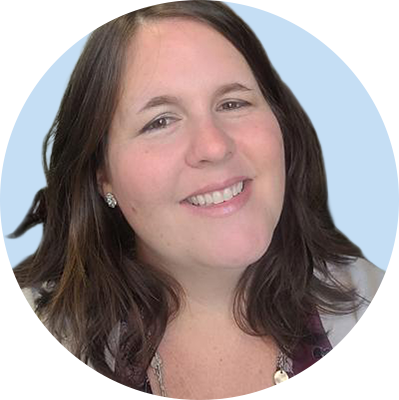 – Laura Lucas, MS, IMH-E, Department of Early Care and Learning (DECAL)
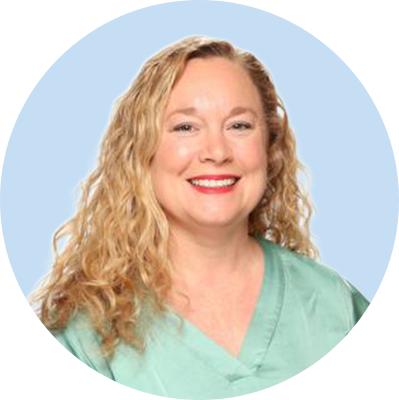 – Heather Stanley, ATR-BC, LPAT, Department of Behavioral Health and Developmental Disabilities (DBHDD)
“Being able to partner in different ways and collaborate is huge…Unite Us has helped us not just in the linkage of services through the platform, but also in helping us identify opportunities for improvement, uncover gaps, and better understand what resources are available.”
– La’Keidra Mitchell, MPH,
Mindworks Georgia COE, Georgia Health Policy Center
What’s Next for Coordinated Care in Georgia?
One Continuum Georgia highlighted the power of collaboration in addressing some of today’s most pressing community challenges. Whether discussing workforce development, outcomes-driven care, or youth behavioral health, speakers consistently reinforced that lasting impact requires organizations to work together across systems, sectors, and communities.
The conversations and insights shared throughout the event offered a strong reminder that when partnerships are rooted in shared goals and actionable strategies, communities are better positioned to create more access, improve outcomes, and support long-term self-sufficiency and well-being for all.