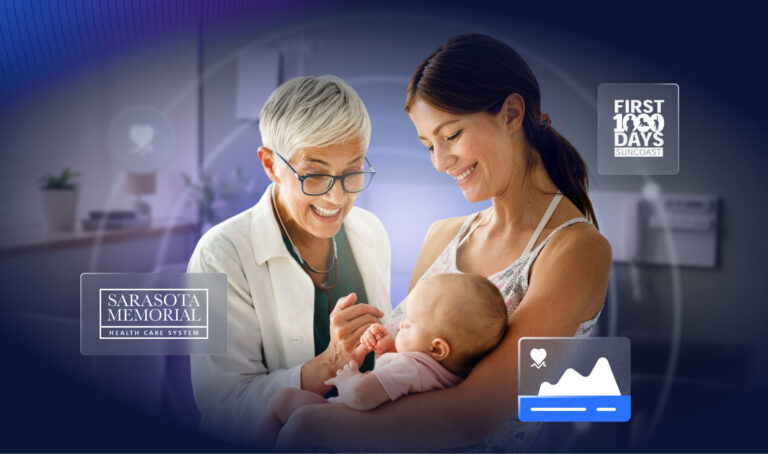

From Screening to Impact: How Sarasota Memorial Hospital Doubled HRSN Screenings and Reduced Readmissions
Building on earlier findings that linked closed-loop referrals to improved maternal and infant outcomes in its Women & Children’s Services, Sarasota Memorial Hospital (SMH) partnered with Unite Us to evaluate the impact of addressing non-medical needs during admission on downstream healthcare utilization hospital-wide. This evaluation demonstrates how timely screenings, closed-loop referrals, and community-based support decrease future healthcare utilization among hospitalized patients.
Key Takeaways
In this case study, you’ll learn how:
 Universal, nurse-led screening nearly doubled need identification and Unite Us case activity, expanding reach and creating opportunities to reduce care gaps.
 When inpatient teams identified needs and coordinated support during admission using Unite Us, patients had reduced inpatient utilization.
 Addressing non-medical needs reduces readmission risk across targeted populations, including Medicaid and maternity patients.
Key Results
reduction in 30-day all-cause readmission risk overall
reduction in 30-day all-cause readmission risk among referred maternity patients
reduction in 30-day all-cause readmission risk among referred Medicaid patients
reduction in 30-day all-cause readmission risk among those referred under age 65
reduction in 30-day all-cause readmission risk among referred low-readmission risk patients
Background
Founded in 1925 and standing as one of the largest public health systems in the nation, SMH serves as the safety-net healthcare provider in the southwest Florida region. To improve community health and reduce avoidable healthcare utilization, SMH has made addressing non-medical needs a strategic priority:
2020: Through the First 1,000 Days Suncoast initiative, SMH implemented Unite Us in its Women & Children’s Department to formalize how mothers and infants with non-medical needs, identified during inpatient stays, were connected to community-based organizations prior to discharge. Harnessing the shared vision of the initiative, the program focused on strengthening alignment with community agencies serving new mothers and their infants. Within SMH’s Women & Children’s Services, referral workflows were embedded into care management processes.
2023: Following demonstrated adoption and workflow integration, SMH expanded its use of Unite Us hospital-wide, working to standardize inpatient referral pathways and strengthen closed-loop coordination across service lines.
2024: SMH adopted universal screening during inpatient admissions to systematically identify non-medical needs and connect patients to community services.
Read Our Previously Published Maternal Health Evaluation
Challenge
As a not-for-profit, community-owned hospital, SMH is committed to supporting all patient needs through holistic and comprehensive care. Following the success seen within Women & Children’s Services, SMH recognized an opportunity to expand its approach to addressing non-medical needs across the health system. Patients facing challenges such as housing instability, food insecurity, transportation barriers, or limited social support are often at greater risk for complications after discharge, which can lead to higher rates of readmissions and healthcare utilization. After expanding screening hospital-wide, SMH wanted to evaluate whether identifying and addressing non-medical needs during inpatient stays could improve care transitions and reduce the risk of hospital readmissions across patient populations.
 Solution
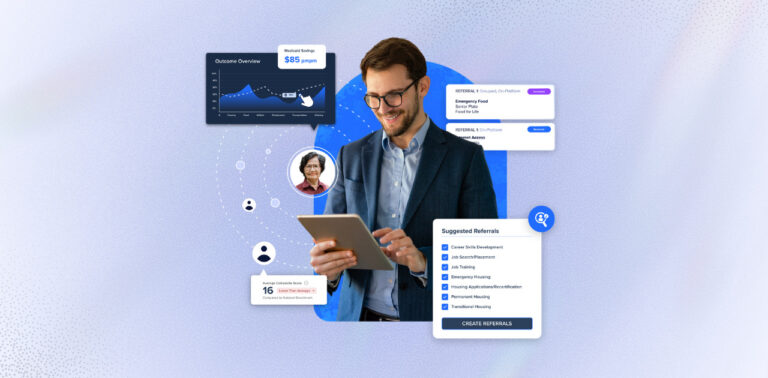
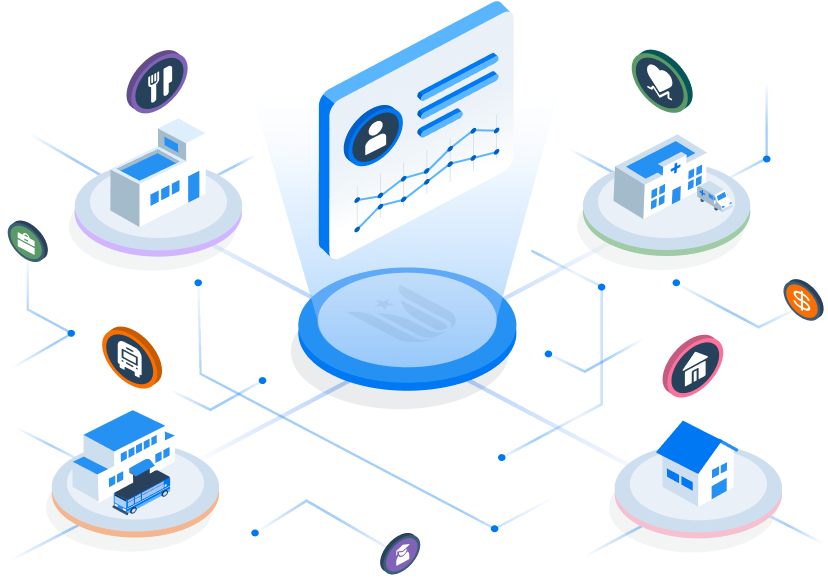
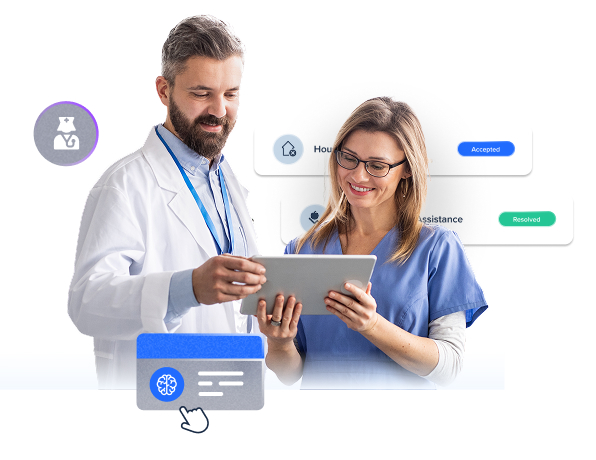
SMH implemented a coordinated model that links universal non-medical needs screening at inpatient intake to structured, accountable community referrals. Patients who screen positive are engaged by hospital care management teams and, with their consent, are referred to community partners through the Unite Us platform:
- Closed-Loop Referral System: Staff at SMH use Unite Us’ closed-loop referral system to refer patients directly to community services they might need.
- Care Coordination Services: Discharge planners, when not directly referring patients to community services, will refer them to the Unite Us Care Coordination team, which manages service coordination—connecting patients to timely services while maintaining staff visibility without overburdening hospital staff.
This approach embeds community-based care directly into discharge planning, providing standardized, measurable coordination across healthcare and community partners.
Building on Maternal and Infant Findings
Sarasota Memorial has conducted multiple evaluations of patient health outcomes related to non-medical needs. The findings presented below reflect a hospital-wide analysis that includes all eligible inpatient populations across the health system. Results from prior maternal and infant evaluations are highlighted in a separate case study below.
Maternal and Infant Case Study
Impact
Expanded Identification and Reach
Since 2023, SMH had more than 100,000 eligible inpatient encounters among patients discharged home or with home health. During this period, 3,168 encounters included a non-medical need documented through Unite Us: 2,411 identified during the hospital stay and an additional 757 within 7 days post-discharge. The adoption of universal non-medical needs screening by nurses in May 2024 significantly increased Unite Us case activity across SMH, nearly doubling monthly case creation (546 to 1082) and reducing missed opportunities to address non-medical barriers to health.
Impact of Universal Non-Medical Needs Screening on Unite Us Cases Created per month
546 monthly avg before
1082 monthly avg after
May ’24
↓
07/23
09/23
01/24
03/24
07/24
09/24
01/25
546 and 1082 are the monthly averages reported in the evaluation; individual bar heights are reconstructed from the source chart and illustrative only.
Decreased All-Cause Readmission
Overall, patients with a Unite Us case created during their inpatient stay experienced a 17% reduction in 30-day readmission risk compared with patients not referred through Unite Us,¹ corresponding to approximately 100 fewer all-cause 30-day readmissions among those served. Reductions in risk were greater among obstetric patients (41%), Medicaid patients (23%), and patients under age 65 (22%). By 180 days post-discharge, patients whose needs were identified during admission experienced a 16% reduction in all-cause readmissions. The strongest effects were observed among Medicaid patients (27%), obstetric patients (24%), patients aged 18-64 (20%), and patients internally categorized as having a low readmission-risk (16%). These findings demonstrate that embedding screening and non-medical need care coordination into admission workflows can meaningfully reduce avoidable utilization.
17% ↓
Reduction in 30 day all-cause readmission risk
among all referred patients
41% ↓
Reduction in 30 day all-cause readmission risk
among referred obstetric patients
23% ↓
Reduction in 30 day all-cause readmission risk
among referred Medicaid patients
22% ↓
Reduction in 30 day all-cause readmission risk
among those referred under 65
20% ↓
Reduction in 30 day all-cause readmission risk
among referred low-risk patients
“I had a patient who, after a difficult year marked by the loss of her husband and multiple hospitalizations, was screened and connected to services addressing her growing isolation and daily challenges. Through coordinated referrals, she began receiving Meals on Wheels and transportation support, and shared that these services made a meaningful difference, offering both nourishment and regular connection, while maintaining independence and accessing needed care.” — SMH Care Manager
Identified Non-Medical Needs
Among patients with a non-medical need documented during their inpatient stay, food-related needs were the most prevalent, affecting nearly half of patients (46%). The next most common needs were benefits navigation (29%) and individual and family support (29%), followed by housing and shelter (25%), and income support (12%). These are foundational drivers of health that, when unaddressed, can disrupt recovery, limit access to necessary resources, and drive greater downstream avoidable healthcare utilization. In addition to these top needs, patients also experienced a range of other challenges that can meaningfully impact recovery and stability after discharge, including needs related to transportation (9%), mental/behavioral health (9%), and physical health (8%)..
Top 5 Needs among SMH patients with a need identified during their inpatient stay

“I appreciate that [the technology] helps facilitate follow-up and connects patients with resources, allowing us to focus our time on providing care while ensuring patients receive the support they need.”
SMH Unite Us User & Social Worker
Prioritizing Early Action
Identifying non-medical needs during admission allows care teams to respond in real time, incorporates social context into discharge planning, and drives a greater, more sustained impact on readmissions. Sending referrals for patients’ non-medical needs during the inpatient stay was associated with the strongest reductions in readmissions over time. By 180 days, readmission risk was 16% lower—more than double the observed 6% reduction seen when needs were addressed within seven days after discharge.
16% ↓
Reduction in 180 day readmission risk
When needs are identified during the visit
6% ↓
Reduction in 180 day readmission risk
When needs are identified within 7-days post discharge
 Section Spotlight: Women & Children’s Services
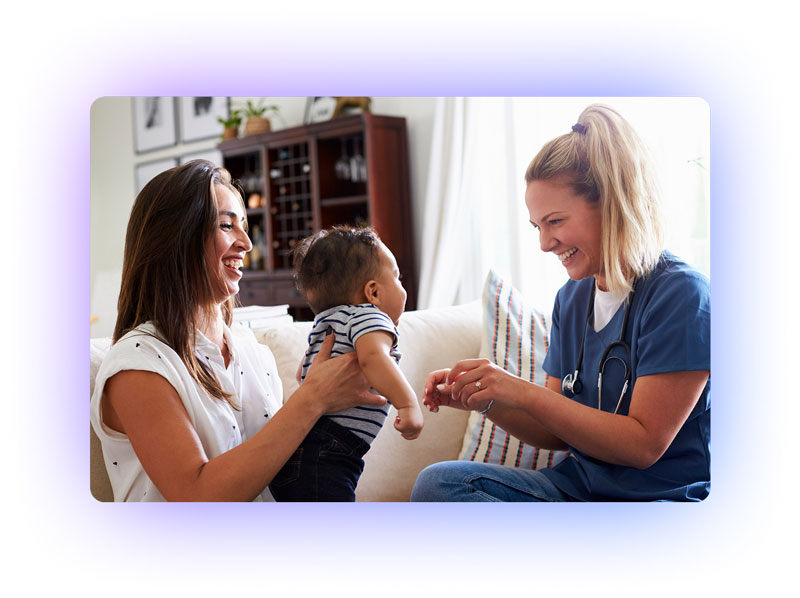
Building on the success of a previous Women & Children’s Services study, this evaluation demonstrates the continued impact of integrating non-medical care into obstetric care. When needs were identified during admission, obstetric patients experienced a 41% reduction in 30-day readmissions and a 24% reduction at 180 days, some of the strongest reductions observed across all subpopulations. The top needs identified among obstetric patients during their inpatient visits were similar in type to the overall patient population but were significantly more common. Referrals for food-related needs were sent on behalf of 80% of maternity patients, compared to 46% of patients overall. Benefits navigation (51%) and individual and family support (51%) were also identified at much higher rates (compared to 29% each, overall).
Top needs among SMH obstetric patients with a need identified during their inpatient stay
These outcomes reflect sustained investment in a targeted program and longstanding partnerships with community-based organizations serving mothers and families. Over time, this focus has built trust and alignment within the community, enabling screening to consistently translate into coordinated action and improved outcomes.
“A father of 5 reached out to First 1,000 Days after his son was born. They were feeling overwhelmed financially and needed some immediate help with infant supplies. The Family Navigators were able to assist with diapers, wipes, baby clothes, a changing table, and sheets immediately. The father was counseled on other community organizations to assist with ongoing needs and referrals were sent through Unite Us. When meeting with the father, he stated, “Thank you for your help. We are so excited to have our son but the stress of the rest of the world is hard… Thank you for helping my family.”
First 1,000 Days Family Navigator
 Lessons Learned
By aligning screening, care management, and closed-loop referrals within a single pathway, SMH established a scalable model that integrates non-medical care into inpatient practice and strengthens continuity of care beyond the hospital stay. SMH, Unite Us, and community partnerships have strengthened the hospital’s ability to consistently and in a scalable way identify and address patients’ non-medical needs. The results highlight clear, practical lessons on how integrating community care into inpatient workflows can improve outcomes:
- Improved Identification Creates More Opportunities: Universal nurse screening increased the identification of patients’ non-medical needs. Impact hinges on compassionate screening and accurate referrals for identified needs. When done effectively, this approach not only surfaces unmet needs earlier but also strengthens the opportunity for care coordination.
- Timing Influences Outcomes: Identifying needs during the inpatient stay was associated with stronger and more sustained reductions in readmissions than identification after discharge, enabling real-time action, stronger discharge planning, and improved coordination with community partners.
 Targeted Investment Strengthens Impact: Sustained investment in maternity-focused care coordination and longstanding partnerships with community-based organizations contributed to some of the strongest reductions in readmissions observed across all patient populations. Building trusted referral networks over time helped ensure that identified needs consistently translated into coordinated support and improved outcomes for mothers and families. The First 1,000 Days Suncoast Family Navigation program additionally provides support post-discharge, connecting families with services in the early months postpartum and through the child’s first 3 years.
- Relationships With Community-Based Organizations Builds Momentum, Sustainability, and Accountability: A dedicated Community Health and Partnerships team at SMH led the expansion of screening, hospital trainings, and implementation of Unite Us within the healthcare system. These leaders were instrumental in building momentum and adoption of the new pathways while also building community partnerships. Buy-in from all departments, outpatient settings, and professionals who interact directly with patients are key in accountability. These leaders know that partnerships and authentic connections with professionals in the community are paramount in the continued use of Unite Us. They participate, alongside First 1,000 Days Suncoast, in numerous community and regional meetings, recruiting and promoting use of the system, while also facilitating community trainings.
First 1,000 Days Suncoast and SMH Community Health and Partnership leaders continue to facilitate quarterly meetings with foundation, healthcare system, and community leaders to review the program and community data, identifying trends, barriers, and opportunities for partnerships. This workgroup has resulted in numerous targeted interventions and programs to better support the community including: a text messaging pilot to improve communication, expanding food support within the healthcare system, diaper/wipe drives, and more.
“Our partnerships with community-based organizations have been essential to sustaining this work. Regular collaboration has helped us build trust, improve coordination, and use data to guide targeted interventions that address the needs we’re seeing in our community.”
Mary O’Connor, Manager, Community Health & Partnerships, Sarasota Memorial Hospital.
To build on this progress, SMH is focused on expanding referral activation and impact across additional populations, including older adults, a larger proportion of their patient population. Efforts include strengthening referral workflows and continuing to enhance community partnerships in key service areas, such as the community collaboration that was begun through First 1,000 Days Suncoast.
¹ Analyses were adjusted for age at admission; sex, race/ethnicity; hospital facility; weeks since study baseline; SDOH Z-code assignment during visit; clinical readmission risk; Charlson Comorbidity Index; number of inpatient, ED, and observation visits in the prior year; residential Social Vulnerability Index; insurance type, and index visit length of stay.
About Unite Us
Unite Us is the nation’s leading software company bringing sectors together to improve the health and well-being of communities. We drive the collaboration to identify, deliver, and pay for services that impact whole-person health. Through Unite Us’ national network and software, community-based organizations, government agencies, and healthcare organizations are all connected to better collaborate to meet the needs of the individuals in their communities.