

Power in Partnership: AlohaCare’s Whole-Person Care Approach to Medicaid CE
 In this Q&A, John Mai from AlohaCare, the second largest Medicaid health plan in Hawaiʻi, shares how his team connects members to whole-person care, prepares for upcoming Medicaid community engagement requirements, and uses Unite Us to bridge gaps in care.
Can you start by telling us a little bit about AlohaCare and your role there?
AlohaCare is a community-led, non-profit health plan that was founded in 1994 by Hawaiʻi’s community health centers and the Queen Emma Clinics. We’re now the second-largest Medicaid health plan in the state, serving members across Oʻahu, Maui, Kauaʻi, Molokaʻi, and Lānaʻi. Everything we do is rooted in strengthening community health through trusted, local partnerships, and our team’s local roots mean members can always reach someone who genuinely understands Hawaiʻi’s special culture.
In my role as the Community Engagement & Partnerships Manager, I get to work directly with our community-based organizations and community health centers to build and deepen those relationships. A big part of my work is expanding outreach and making sure our members can easily connect to the resources and support they need. I’m focused on creating collaborative pathways that reinforce AlohaCare’s commitment to serving Hawaiʻi with compassion, equity, and cultural grounding.
What are the greatest needs of the individuals and families you serve, and how have those needs evolved in recent years?

The individuals and families we serve are looking for reliable access to care, especially in behavioral health, where the need has grown significantly. We’re also seeing more people struggle with social factors like housing, food, and transportation, which directly shape their health. This is especially true for keiki (children) and women, whose needs are often overlooked as we work to advance healthcare equity. On top of that, members want clearer guidance through an increasingly complex system—they’re asking for support that feels personal, not transactional. Altogether, their needs have shifted from strictly medical to a more holistic blend of clinical care, stability, and trusted navigation.
What are the main programs and services AlohaCare provides to meet those needs?
AlohaCare provides a mix of clinical, social, and community-based supports designed to make care easier to access and navigate. Our Medicaid and Medicare programs are paired with strong care coordination, helping members connect to primary care, behavioral health, and specialty services. We also partner closely with community organizations—including our network through Unite Us, which allows us to link members directly to food, housing, transportation, and other social-service resources in real time.
To address more specialized needs, we lead targeted efforts like our Kūpuna & Social Care initiative to support our kūpuna (seniors) and their families. Programs like GRACE wrap extra support around our most vulnerable kūpuna, helping high-risk seniors stay stable, safe, and out of the emergency room. Our new Community Care Services program — launching toward the end of the year — brings integrated behavioral and physical health care to adults with the greatest needs.
Given the complex needs many members face, how important is collaboration with community-based organizations and other partners in delivering whole-person care?
 Collaboration with community partners is truly at the heart of whole-person care because our members’ needs go far beyond what any health plan can address alone. Community organizations understand the day-to-day realities our families face, and when we work together, we can connect people to support such as food, housing, and mental health much faster and with more cultural and community insight. These partnerships help us address the whole person in a way that no single organization could on its own. In many ways, whole-person care only becomes possible when everyone in the community is working side by side.
What led AlohaCare to partner with Unite Us, and how has that partnership helped strengthen your ability to connect members with the resources they need?
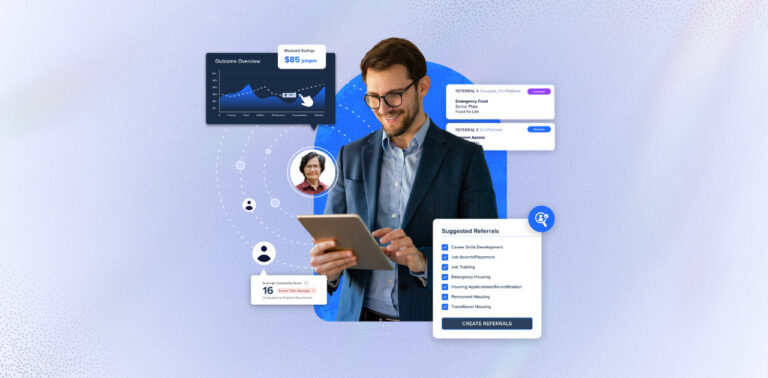
AlohaCare partnered with Unite Us because we wanted a smoother, more coordinated way to connect members with social-service support across the community. We were seeing how often unmet social needs were affecting people’s health, and Unite Us offered a platform that could bring all those resources together in one place. Since working together, we’ve been able to make referrals quickly, track outcomes clearly, and confirm members actually receive the help they’re connected to — that closed-loop visibility is something we didn’t have before. It’s really strengthened our ability to deliver whole-person care by tying clinical support to real, on-the-ground community services.
Looking ahead, Medicaid community engagement requirements are expected to take effect in several states beginning in 2027. How is AlohaCare thinking about these changes?
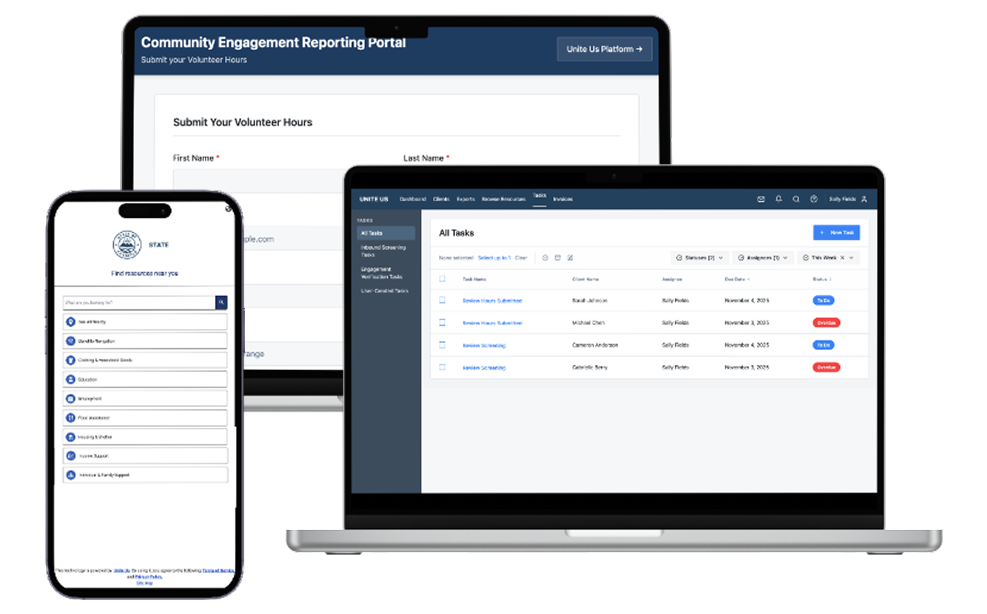
We are committed to ensuring our communities have access to care, so AlohaCare is approaching the upcoming community engagement requirements with a strong focus on preparation, clarity, and partnership. We are actively preparing community outreach and education in partnership with CBOs and CHCs. To date, we have been providing H.R. 1 presentations, sharing upcoming changes, and making sure our partners understand how these requirements may affect community members. At the same time, we’re training our staff and working closely with community partners to align on H.R. 1 initiatives and share programs and resources that can support members through the transition. Our goal is to help people navigate any new expectations smoothly while keeping their access to care uninterrupted.
As you prepare for the future, what opportunities do you see to further strengthen connections between healthcare and community resources?
We see a lot of opportunity to strengthen the bridge between healthcare and community resources, especially by deepening our partnerships with CBOs and CHCs. As a health plan, we know members do best when clinical care is paired with real on-the-ground support. Unite Us makes that kind of coordination possible at scale. There’s room to expand shared referral tools and create regular touchpoints where providers and community partners can align on what families need. Moving forward, we’re focused on making those connections even smoother so members experience care and community support as one unified system. AlohaCare also invests directly in Hawaiʻi’s future through the AlohaCare Foundation, which awards scholarships of up to $10,000 to students pursuing careers in healthcare and social services — building the local workforce that will care for our families for generations.

About the Author
John Mai serves as the Community Engagement & Partnerships Manager at AlohaCare, Hawaiʻi’s community-led, nonprofit Medicaid and Medicare health plan. Born and raised in Hawaiʻi and a graduate of the University of Hawaiʻi at Mānoa, John brings more than 18 years of experience in managed care to his work supporting community health across the islands.
In his role, John oversees key outreach strategies, builds and maintains high-impact partnerships with Community Health Centers and community-based organizations, and drives initiatives that improve access to whole-person care. His work reflects a commitment to advancing health equity and strengthening the systems that support Hawaiʻi’s diverse communities.